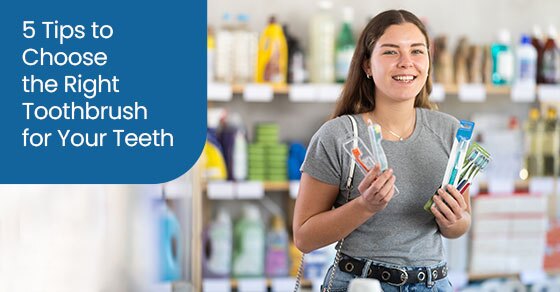
Choosing the right toothbrush can make a big difference in your oral health. With so many toothbrush types available, it’s easy to feel overwhelmed. Whether you’re shopping at the pharmacy or scrolling online, this guide will help you focus on what really matters. Picking the best toothbrush isn’t about trends or gimmicks; it’s about finding what suits your teeth, gums, and habits.
Your Guide to the Best Toothbrush for Healthy Teeth
Every mouth is different, and what works for one person might not be right for another. Some people have sensitive gums, others deal with plaque buildup, and many are simply looking to maintain a clean, healthy smile. Choosing the best toothbrush can help prevent cavities, protect enamel, and make brushing a more effective part of your routine.
1. Consider Bristle Type
One of the first things to look at is the bristle type. Most toothbrushes come with soft, medium, or hard bristles. Here’s how they stack up:
- Soft bristles are the safest and most commonly recommended. They’re gentle on gums and enamel, making them ideal for most users.
- Medium bristles offer a bit more scrubbing power but may irritate sensitive gums if used with too much force.
- Hard bristles can remove plaque more aggressively, but they carry a higher risk of damaging gums and enamel, especially if you’re a vigorous brusher.
In general, dentists suggest using a soft-bristled brush. However, if you have excessive plaque or staining, a firmer bristle might be worth discussing with your dentist.
2. Choose the Right Head Size
Toothbrush heads come in different sizes, and the right fit can help you clean those hard-to-reach spots. A smaller head offers better maneuverability, especially in tight spaces like the back molars. If a brush feels too bulky, chances are it’s not covering all areas effectively.
Smaller heads also tend to be more comfortable, reducing the strain on your jaw and wrist while brushing. For most adults, a toothbrush head that’s about one inch long and a half-inch wide is a good place to start.
3. Look at Handle Design
It might not seem important, but the handle design can impact your brushing technique. Look for features like:
- Non-slip grips for better control
- Ergonomic shapes that reduce hand fatigue
- Flexible necks that help you adjust pressure
Everyone’s hand size and grip style is different, so it’s worth trying a few handle types until you find one that feels natural and steady.
4. Manual vs. Electric Toothbrushes
Choosing between a manual or electric toothbrush is another important decision. Each has its strengths:
- Manual brushes are inexpensive, easy to travel with, and come in a wide range of toothbrush types.
- Electric toothbrushes often provide more consistent cleaning power. Their built-in timers and rotating heads can help improve technique, especially for people who struggle to brush thoroughly.
If you’re not sure which option is better for your oral health, ask your dentist. They can provide advice based on your brushing habits, dental history, and personal preferences.
5. Replace Your Toothbrush Regularly
A worn-out toothbrush won’t do your mouth any favours. The Canadian Dental Association recommends replacing your toothbrush every three months, or sooner if the bristles start to fray.
Damaged bristles don’t clean effectively and may even irritate your gums. If you’ve been sick, it’s also a good idea to switch brushes once you recover to avoid reintroducing germs.
Why Your Toothbrush Choice Matters
The right toothbrush does more than just clean your teeth; it plays a major role in protecting your long-term dental health. A poorly chosen brush, or one that’s used past its prime, can lead to plaque buildup, gum irritation, and even enamel erosion. Brushing daily is only effective if your tool is up to the task.
Ask Your Dentist for Recommendations
Next time you’re at your dental appointment, take a few minutes to talk about your toothbrush. Dentists can recommend specific toothbrush types based on your gum health, any signs of enamel wear, or the presence of orthodontics like braces.
They may also suggest switching to an electric toothbrush if they notice areas you’re missing or signs that your current brushing technique isn’t doing the job.
Keep Your Smile Strong with the Best Toothbrush for You
Finding the best toothbrush doesn’t need to be complicated; it just needs to be the right match for your mouth. Selecting the correct brush is a foundational step in maintaining excellent oral hygiene, impacting not just the surface of your teeth but the overall health of your gums and surrounding tissues. A well-chosen toothbrush, whether manual or electric, provides the precision and effectiveness necessary to remove plaque, prevent tartar buildup, and stimulate the gums gently.
To learn how we can help you take the next step in oral care, reach out to Bristol Dental today at 905-712-3409, or click here to get in touch online.