
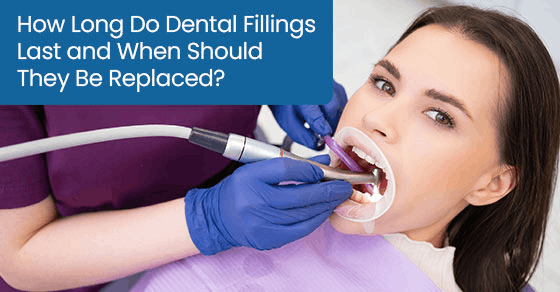
Dental fillings can protect and restore teeth for many years, but they do not last forever. Over time, a tooth filling may wear down, loosen, crack or allow new decay to form around its edges. Some patients notice symptoms, while others only find out during a dental exam.
If you have an older cavity filling, suspect you need a new one or are considering restorative dental care in Mississauga, it helps to understand what affects filling lifespan and when to have a dentist take a closer look. Only a dental exam can confirm whether a filling needs repair or replacement, but certain signs should not be ignored.
What Determines the Lifespan of Dental Fillings And When to Replace Them?
A filling’s lifespan depends on the material, the tooth, the bite and how well the surrounding tooth structure is cared for. Age alone does not tell the whole story. A newer filling can need attention if the tooth cracks or decay develops, while an older filling may remain stable for years when it is well-maintained.
Filling Material Affects How Long a Restoration Lasts
Different filling materials have different strengths, appearances and wear patterns. Composite tooth-coloured fillings are popular because they blend with natural teeth, especially in visible areas. Other materials may be recommended depending on the tooth, the size of the cavity, the bite and how much strength the restoration needs.
There is no rigid timeline that applies to every patient. A dentist considers the filling material along with the location of the tooth, how much natural tooth structure remains and how much pressure the filling will need to handle. A small filling on a front tooth and a larger filling on a molar are not dealing with the same demands.
Oral Hygiene Helps Protect the Tooth
The filling is only part of the restoration. The surrounding tooth still needs daily care to reduce the risk of new decay forming around the filling margins. Brushing, flossing, limiting frequent sugary snacks or drinks and keeping up with professional cleanings can all help protect the tooth over time.
For example, an old filling may still look intact, but plaque collecting along the edge can allow decay to start beside or under the restoration. That does not mean the patient has failed. It means the tooth and filling need to be monitored as a working unit.
Bite Pressure, Grinding and Clenching
Back teeth handle more chewing force than front teeth, so fillings on molars often deal with heavier pressure. Patients who grind or clench their teeth may place extra stress on dental fillings, which can contribute to cracks, chips or faster wear.
A molar filling may wear more quickly if it takes repeated heavy chewing pressure every day. During an exam, a dentist can check the bite, look for wear patterns and discuss options such as a nightguard when appropriate. Patients should mention jaw soreness, worn teeth or known grinding habits during their visit.
Filling Size and Tooth Location Matter
A small filling may behave differently from a large one because remaining tooth structure affects strength. A larger cavity filling may have more risk of wear, fracture or future treatment needs, especially on back teeth that absorb most of the chewing force.
Tooth location also plays a role. Molars and premolars do more grinding and chewing. Front teeth may involve different cosmetic or biting concerns. This is why two patients can receive fillings around the same time and still have very different replacement timelines.
Regular Dental Checkups
Dentists can often detect filling problems before a patient feels pain. During an exam, the dentist may look for cracks, worn margins, staining, looseness, decay around the filling or changes on X-rays.
Bristol Dental provides restorative dental care in Mississauga, including simple fillings. Regular checkups help patients understand whether a filling is stable, needs monitoring or should be repaired or replaced. Catching a problem early may make treatment simpler than waiting until discomfort becomes obvious.
Sensitivity or Pain Can Be a Sign
Sensitivity does not always mean a filling has failed. A tooth can feel sensitive for several reasons, including gum recession, a crack, new decay or irritation around the restoration. Still, new, persistent or worsening sensitivity should be checked.
Cold, heat, sweets or biting pressure may point to an issue with the filling, tooth or surrounding area. A dentist can assess the cause and explain whether the concern is related to the restoration or another dental problem.
Cracks, Chips or Rough Edges
Visible damage to a filling can create spaces where food debris and bacteria collect. A chipped filling, cracked tooth edge or rough surface can also feel uncomfortable against the tongue or affect chewing.
A patient might notice a sharp edge after biting into food or feel that floss catches around the filling. It is better to have the area checked before pain becomes severe. A dentist can determine whether the filling can be polished, repaired or replaced, or whether another restorative option is needed.
New Decay Around an Old Filling
Cavities can develop around or under an existing filling if bacteria reach the edges of the restoration. This is sometimes called recurrent decay, and it may not be obvious without a dental exam or X-rays.
When new decay is present, the dentist may need to remove the old filling, clean the affected area and place a new restoration. If the tooth has more extensive damage, another restorative treatment may be recommended. The goal is to protect the remaining tooth structure and restore function where possible.
Signs a Tooth Filling May Need Replacement
Changes in comfort: Sensitivity, toothache or pain when biting can suggest that the tooth or filling needs evaluation. These symptoms do not confirm the problem on their own, but they are worth checking.
Visible changes: Cracks, chips, dark areas, staining around the filling, or a rough-looking edge may indicate wear or breakdown around the restoration.
Functional changes: A loose feeling, food getting stuck, floss catching, or a change in the way the bite feels can also mean the filling should be examined.
How to Help Dental Fillings Last Longer
Patients can support the lifespan of dental fillings by maintaining good oral hygiene, attending regular dental checkups, addressing grinding or clenching, avoiding chewing very hard objects and reporting symptoms early.
These habits cannot guarantee that a filling will last forever. Even well-cared-for restorations may eventually need repair or replacement. Consistent care helps protect the tooth around the filling and gives the dentist a better chance to catch small issues before they become larger concerns.
Protect Your Smile With Dental Fillings That Are Checked Regularly
Dental fillings can restore and protect damaged teeth, but every tooth filling should be monitored over time for wear, cracks, sensitivity or new decay. If you are concerned about an old cavity filling or need restorative dentistry in Mississauga, Bristol Dental can assess your smile and explain your treatment options.
Reach out to Bristol Dental today at 905-712-3409, email us at info@bristoldental.ca or click here to get in touch online.
FAQs About Dental Fillings
How long do dental fillings last?
Dental fillings can last for several years, and some may last much longer depending on the material, tooth location, bite pressure, oral hygiene and dental care. A dentist can check whether a filling is still stable during an exam.
How do I know if a tooth filling needs replacement?
A tooth filling may need attention if you notice sensitivity, pain when biting, cracks, rough edges, looseness, staining or food getting stuck near the filling. Some problems are only visible during a dental exam or on X-rays.
Can a cavity form under an existing filling?
Yes, new decay can form around or under an existing filling if bacteria reach the edges of the restoration. This is one reason regular dental checkups are important, even if the filling does not hurt.
Does replacing a filling hurt?
Many filling replacements are done with a local anesthetic to help keep the patient comfortable. Your dentist can explain what to expect based on the tooth, the size of the filling and your treatment needs.
Can I make my dental fillings last longer?
Good brushing and flossing habits, regular dental visits, avoiding chewing hard objects and addressing grinding or clenching can help protect fillings. Even with good care, fillings may eventually need repair or replacement.

