A dental problem can become difficult to judge when pain, swelling, bleeding, or an injury happens suddenly. Some situations need prompt dental attention, while symptoms that affect breathing, swallowing, or general safety may require emergency medical care instead.
This guide can help you recognize signs that deserve attention and understand what may happen next. It isn’t a tool for diagnosing the cause at home. When symptoms are severe, persistent, worsening, or concerning, contacting a dental professional is the safer next step.
How to Recognize a Dental Emergency and When to Seek Treatment
A dental emergency isn’t defined by one symptom alone. The severity of the problem, whether trauma occurred, how quickly symptoms are changing, and whether normal activities are affected can all influence how urgently you should seek care.
Severe or Persistent Tooth Pain
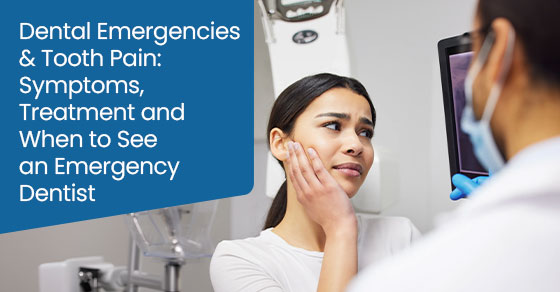
Tooth pain can arise for different reasons, and the feeling alone usually doesn’t identify the cause. A dentist may consider when the pain began, what triggers it, whether it is worsening, and whether other symptoms are present.
Pain that is severe, persistent, or interfering with eating, sleeping, or everyday activities warrants prompt dental attention. People with toothache should call their dentist, describe their symptoms, and arrange care as soon as possible.
Temporary pain relief can make you more comfortable, but it doesn’t necessarily address the underlying dental problem.
Facial or Gum Swelling
Swelling around the gums, jaw, mouth, or face should be taken seriously, particularly if it develops quickly or continues to spread.
A dental professional needs to assess the cause. If swelling is accompanied by difficulty breathing or swallowing, severe illness, or significant rapidly spreading swelling, seek emergency medical attention rather than waiting for a routine dental visit.
A Knocked-Out Tooth
A knocked-out permanent tooth is time-sensitive. Contact an emergency dentist immediately.
Handle the knocked-out permanent tooth by the crown rather than the root. If it is dirty, rinse it gently without scrubbing. If the tooth cannot safely be returned to its socket, place it in cold milk and bring it to the dentist promptly.
These instructions apply to permanent teeth. Don’t attempt to reinsert a knocked-out primary tooth without professional guidance.
A Broken, Cracked, or Chipped Tooth
A small chip and a badly fractured tooth may look similar at first glance but require very different care.
Contact a dentist promptly when a damaged tooth causes significant pain, sensitivity, bleeding, or other concerning symptoms. An examination and, where appropriate, diagnostic imaging may be needed to understand how much of the tooth has been affected before treatment can be recommended.
Lost or Damaged Dental Restorations
A missing filling, loose crown, or damaged restoration can leave the underlying tooth uncomfortable or vulnerable.
Call your dentist for advice, particularly if you have pain, sensitivity, a sharp edge, or difficulty eating. Avoid improvising repairs with household adhesives or attempting to permanently reposition a restoration yourself.
The appropriate solution depends on both the restoration and the condition of the tooth underneath it.
Bleeding or Injury to the Mouth
Trauma can affect teeth as well as the gums, lips, tongue, jaw, and supporting tissues.
For oral bleeding, gentle pressure with clean gauze or cloth can be appropriate first aid. If bleeding is heavy or doesn’t stop, or if significant facial trauma is involved, emergency medical assessment may be necessary. Seek hospital emergency care when bleeding from a badly bitten lip or tongue won’t stop.
Signs of a Possible Dental Infection
Worsening tooth pain, swelling, fever, drainage, an unpleasant taste, or feeling generally unwell can accompany a dental infection, but these symptoms aren’t enough to diagnose one yourself.
Seek prompt professional assessment. Difficulty breathing or swallowing, extensive or rapidly spreading swelling, or severe systemic symptoms require urgent medical attention because the problem may extend beyond what should wait for a dental appointment.
What to Do While Waiting to See an Emergency Dentist
While arranging care, keep temporary measures conservative. For dental pain, an over-the-counter pain medicine may be appropriate if you can safely take it, but follow the label directions and consider advice from a pharmacist or healthcare professional if you have medical conditions, allergies, take other medications, or aren’t sure whether a product is suitable.
Don’t put aspirin or another pain medication directly against a painful tooth or gum, as this can damage the tissue. For an injury or bleeding, follow the specific first-aid guidance your dentist provides.
Temporary symptom relief should never delay emergency medical care when breathing, swallowing, uncontrolled bleeding, or major facial trauma is involved.
What Treatment for a Dental Emergency May Involve
Emergency dental treatment starts with understanding what happened. Your dentist may review your symptoms, medical and dental history, examine the affected area, and use diagnostic imaging when clinically appropriate.
Treatment then depends on the diagnosis. Care may involve controlling pain, addressing the source of infection where applicable, repairing damaged dental structures, or determining whether another dental procedure is needed.
At Bristol Dental, our services include general, restorative, endodontic, periodontal, oral surgery, implant, and other dental care. The exact treatment for an urgent problem can only be determined after appropriate assessment.
Contact an Emergency Dentist When Dental Symptoms Cannot Wait
Severe or worsening tooth pain, significant trauma, swelling, persistent bleeding, or other concerning symptoms shouldn’t simply be ignored in hopes that they resolve on their own. An emergency dentist can assess what is happening and determine an appropriate treatment pathway, while potentially life-threatening symptoms belong in emergency medical care.
Bristol Dental provides a broad range of dental services in Mississauga. You can explore our dental services when deciding what type of professional care you may need.
Reach out to Bristol Dental today at 866-673-2109 or click here to get in touch online.
Frequently Asked Questions About Dental Emergencies
Can Tooth Pain Go Away Without Dental Treatment?
Tooth pain can lessen or disappear temporarily, but that change doesn’t necessarily mean the underlying problem has been resolved.
Persistent, recurring, severe, or unexplained pain should be evaluated by a dentist. Pain intensity alone also isn’t a reliable way to determine how serious a dental problem may be.
Should I Go to a Dentist or a Hospital for a Dental Emergency?
Many urgent tooth problems, broken teeth, and other dental concerns are appropriately assessed by a dentist.
Go to an emergency department or seek immediate medical help when symptoms threaten your general safety, such as difficulty breathing or swallowing, uncontrolled bleeding, major facial trauma, or substantial rapidly spreading swelling.
What Information Should I Give a Dentist When I Call About an Emergency?
Explain the main symptom or injury, when it began, how severe it is, and whether it is getting worse. Mention related swelling, bleeding, fever, trauma, or recent dental treatment where relevant.
You should also provide important health information, medications, and allergies when requested. Clear details help the dental team understand the situation and advise you on the appropriate next step.
Can a Dental Emergency Be Prevented?
Not every dental emergency can be prevented, particularly accidents.
Routine oral hygiene and dental examinations can help identify some problems before they worsen. Avoid using teeth to open or cut objects, and consider an appropriate mouthguard during sports or recreational activities where dental injuries are possible. Mouthguards can help reduce the risk of injuries to the teeth and surrounding tissues.