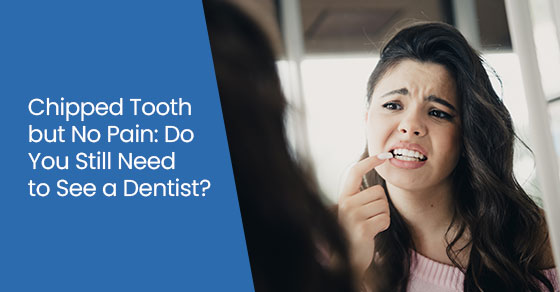
You notice a missing edge while brushing, or feel a rough spot after eating. The tooth doesn’t hurt, so it’s tempting to leave it alone. A chipped tooth still needs dental assessment, even without pain. How urgently you need care depends on the damage, symptoms, and how it happened.
Booking an examination doesn’t mean agreeing to a particular repair. It gives you a way to find out what has changed and whether treatment is needed. Start by describing the chip to a dental team, then follow their advice about timing and protecting the tooth.
Why a Chipped Tooth May Not Hurt
Enamel is the hard outer covering of a tooth. Beneath it are dentin and the pulp, the soft tissue containing nerves and blood vessels. Superficial damage may cause little discomfort, and symptoms vary among different types of tooth damage. A painless tooth isn’t necessarily undamaged beneath the surface, so comfort alone cannot tell you how deep the problem goes.
A chip means a fragment has broken off. A cracked tooth can have a break extending through its structure while remaining in one piece. There are also shallow enamel lines, called craze lines, which are generally painless and differ from deeper structural cracks. These distinctions matter because a missing corner, a surface line, and a deeper crack can call for different care. An examination helps establish which finding applies.
How Soon Should You See a Dentist?
Call a dentist when you notice the damage and describe what happened. The size of the missing piece, any symptoms, and a recent injury all help the dental team advise you. There isn’t one waiting period that suits every chip.
Contact a Dentist Even If the Chip Seems Small
A small chip that feels stable, with no pain, swelling, or recent significant injury, may not require emergency treatment. It still deserves an examination. The recommendation to have a damaged tooth assessed applies even when the change seems minor.
When calling, explain when you first noticed the chip, whether it happened while eating, and whether your bite feels different. Mention if the edge is sharp or rubbing your tongue. Ask when you should be seen, rather than assuming it can wait until your next routine checkup.
Changes That Need Prompt Dental Advice
Contact a dentist promptly if you develop new or persistent pain, sensitivity when chewing or having hot or cold drinks, or swelling in your mouth that is increasing. Describe whether discomfort comes and goes and what brings it on. These details help the team assess urgency; they don’t establish a diagnosis on their own.
A broken tooth after a fall or blow also warrants prompt advice, even if it doesn’t hurt. Mention whether a substantial piece detached, the tooth moved, or your teeth meet differently. Losing a fragment is different from having an entire permanent tooth knocked out, which requires immediate dental care. Make that distinction clear when you call.
Signs That Need Emergency Medical Care
Seek emergency medical care for serious injuries to your face or jaw, heavy mouth bleeding that will not stop, or severe swelling affecting your breathing. These emergency warning signs require action beyond booking a routine dental appointment. Do not wait for a reply to an online appointment request when you have these symptoms.
Protect the Tooth While You Wait
Temporary care can reduce irritation and limit pressure on the damaged area while you await professional advice. It cannot tell you how serious the damage is or replace an examination. Keep home care gentle and avoid trying to repair the tooth yourself.
- Gently rinse your mouth with warm water. Continue careful brushing and flossing, taking care around the damaged area.
- Choose softer foods and avoid biting or chewing with the affected tooth. Don’t test it by biting hard foods to see whether it still feels strong.
- If you recover a fragment, keep it in milk or your saliva in a container and bring it to the appointment. The dentist may be able to reattach it, but this isn’t always possible.
- Ask a pharmacist or dental team about dental wax if a sharp edge rubs your cheek or tongue. Do not file the tooth or use household glue.
A cold compress against the outside of your face may help swelling after an injury. If swelling increases or new symptoms develop, contact the dental team again rather than relying on the advice given before those changes.
What the Dentist Will Assess Before Recommending Treatment
The examination helps establish whether damage is superficial, weakens the tooth’s structure, or involves deeper tissue. Those findings guide treatment. Pain is only one factor in that assessment.
The Extent of the Damage
The dentist will review what happened and examine the missing edge, the remaining tooth, and any signs of associated cracks. Tell them about previous fillings and recent injuries, including anything that changed how the tooth feels when you bite. Imaging may be appropriate depending on the findings, but it does not replace the clinical examination. The purpose is to understand the damage beyond the visible gap before recommending what to do next.
Whether the Tooth Needs Repair or Protection
Some minor chips may be suitable for monitoring, smoothing a rough edge, or bonding with tooth-coloured material. More substantial damage may need a filling or crown to restore or protect the tooth. If the pulp is affected, the treatment plan can change. Neither a crown nor root canal treatment is automatic because a piece broke off. The dentist can explain which findings support a recommendation and whether the concern is appearance, tooth protection, or more serious damage.
Have the Damage Checked Before Deciding to Wait
Arrange an assessment without waiting for pain to develop. Symptoms or a recent injury may mean you need advice sooner, but a painless chip still merits a call. Knowing what care the tooth needs can prevent assumptions about both its seriousness and the treatment required.
At Bristol Dental Clinic in Mississauga, we provide examination and treatment planning for damaged teeth. Any restoration for a chipped tooth depends on the assessed damage. A crown is one option when a tooth needs more substantial protection; it is not the starting point for every small chip.
You can request a dental assessment through our contact page. For symptoms needing prompt advice, call 905-712-3409.
Frequently Asked Questions
Can a Small Chip Need No Treatment?
Yes. After examining a chipped tooth, a dentist may find that a minor chip can be monitored without repair. That decision depends on the actual damage and whether the edge causes problems. No treatment being recommended is different from no assessment being needed: you cannot confirm the depth of damage from comfort alone.
Should I Keep the Piece That Broke Off?
Yes, if you can recover it. Put the fragment in milk or your saliva in a container and bring it to the dentist, even if the remaining tooth feels comfortable. Reattachment may be possible, depending on the fragment and the damage. If you cannot find the piece, you should still arrange an assessment.
Does a Painless Crack Always Need a Crown?
No. Shallow enamel lines differ from a cracked tooth with more serious structural damage. The dentist’s recommendation depends on the type, location, and extent of the crack, rather than pain alone. Some findings need no repair, while others need protection or further treatment. A crown also cannot guarantee that a deeper crack will stop progressing.