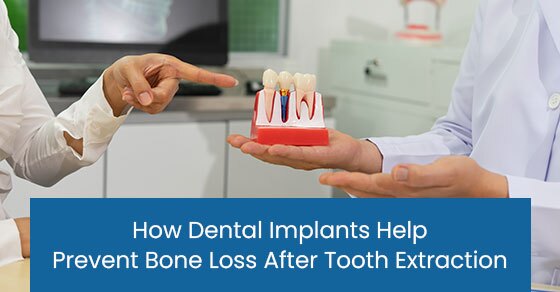
Losing a tooth does more than change your smile. It alters the structure of your jaw, affecting your oral health in ways many people don’t anticipate. When a tooth is removed, the jawbone beneath it no longer receives the stimulation it needs. Over time, that lack of stimulation leads to bone loss, which can impact everything from your facial shape to your bite. At Bristol Dental, we offer dental implants in Mississauga to help prevent this hidden but serious consequence of tooth loss.
In this article, we’ll explain the direct relationship between missing teeth and jawbone health, and why dental implants are the only tooth replacement option that addresses both cosmetic and structural concerns.
How Dental Implants Preserve Jawbone Density After Tooth Extraction
After a tooth is extracted, the root that once stimulated the jawbone is gone. This absence of stimulation causes the bone to begin breaking down in a process called resorption. Without consistent pressure from chewing, the body assumes the bone is no longer needed and starts to absorb it.
Dental implants are different. Made of titanium, each implant is surgically placed into the jawbone to act like a natural tooth root. As you chew and bite, the implant transfers force to the surrounding bone, encouraging it to stay strong and dense. This is why implants are considered the only tooth replacement option that helps preserve bone structure.
The key to this process is osseointegration, where the implant fuses directly with the bone. Once this connection forms, the implant becomes a stable anchor and begins to function just like a real tooth root.
Why Bone Loss Happens After Tooth Loss
Jawbone resorption starts soon after a tooth is removed. In the absence of stimulation, the body begins to reabsorb the minerals in the unused bone to use elsewhere. This can happen as early as a few months post-extraction and continues gradually over time.
The jawbone needs regular mechanical stimulation, typically delivered through chewing, to remain strong. Without it, the area begins to shrink in width and height. As the bone deteriorates, it can cause surrounding teeth to loosen, alter your facial profile, and make future restorative treatments more complex.
This process is especially critical in the posterior jaw, where bone loss can lead to sinus expansion in the upper jaw and nerve exposure in the lower jaw.
What Makes Dental Implants Different from Other Tooth Replacement Options
Traditional dentures and bridges may restore the appearance of your smile, but they fall short when it comes to jawbone health. They sit above the gum line and provide no internal support or stimulation to the bone underneath. Over time, this can allow bone loss to continue unchecked.
Dental implants, on the other hand, integrate directly with the jawbone. This makes them structurally superior and more beneficial for long-term oral health. Where dentures can slip and bridges may compromise adjacent teeth, implants offer a fixed, independent solution that strengthens your jaw with every bite.
Patients who choose implants experience better preservation of facial contours and less risk of complications like shifting teeth or bite misalignment.
How Osseointegration Supports Jawbone Health
Osseointegration is the biological process where bone cells grow around and bond with the titanium surface of a dental implant. This connection is what gives the implant its strength and permanence.
As the bone and implant fuse, the jaw treats the implant as if it were a natural tooth root. This keeps the surrounding bone engaged and supported. With regular function and pressure, the bone continues to regenerate and maintain its volume.
This fusion also stabilizes the implant, allowing it to support crowns, bridges, or even full-arch prosthetics with ease. For patients concerned about long-term stability and bone support, osseointegration is what sets dental implants apart.
Timing Is Key: When to Get Dental Implants After Extraction
The sooner you replace a missing tooth with a dental implant, the better your chance of avoiding bone loss. Ideally, implants should be placed within a few months of extraction, before significant resorption occurs.
Waiting too long can create challenges. The bone may shrink to a point where there’s not enough volume to support an implant. In the upper jaw, sinus expansion can further complicate placement. In these cases, a bone graft may be required to rebuild the site before implantation.
At Bristol Dental, we assess the condition of your jawbone using advanced imaging. If immediate placement isn’t possible, we offer solutions like bone grafting to prepare the area and ensure implant success.
Long-Term Benefits of Dental Implants for Bone and Oral Health
Dental implants do more than restore function. By preserving bone structure, they help maintain the natural shape of your face and prevent the sunken appearance that often follows tooth loss.
Implants also stop surrounding teeth from drifting into empty spaces, preserving alignment and bite stability. Patients experience better chewing function and can enjoy a wider variety of foods without discomfort or worry.
Because implants are permanent and integrated with the bone, they also reduce the likelihood of future dental issues. There are no removable parts to misplace or wear down, and their durability makes them a long-term investment in your health.
Dental Implants Offer More Than Just a Smile Fix
Missing teeth affect more than your appearance. They compromise jawbone health and open the door to long-term oral issues. Dental implants provide a comprehensive solution by replacing the visible tooth and restoring the function of the root beneath.
At Bristol Dental, we understand the full scope of tooth replacement and bone preservation. Our implant services are designed to rebuild your smile and protect the foundation beneath it.
Learn more about our dental implants in Mississauga.
Reach out to Bristol Dental today at 905-712-3409 or click here to get in touch online.