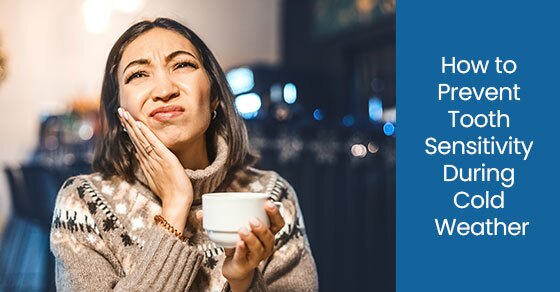
Stepping outside on a cold winter day shouldn’t make your teeth ache, but for many, it does. When temperatures drop, the sharp sting of tooth sensitivity can turn simple pleasures like breathing in cool air or sipping hot drinks into uncomfortable experiences. It’s a common issue, especially in Ontario winters, but it’s also one that can be addressed with the right care and attention.
Tooth sensitivity happens when the protective layer of enamel wears down or gum recession exposes the tooth root. This leaves the inner layer of your teeth, called dentin, vulnerable to temperature changes. Cold weather intensifies this sensitivity by exposing your mouth to chilly air that hits these sensitive areas directly. Fortunately, there are practical steps you can take to protect your smile and enjoy the season comfortably.
Even simple outdoor activities like skating or walking to work can become uncomfortable if cold wind makes your teeth react. This sensitivity can also affect how you enjoy food and beverages throughout the winter, such as avoiding hot chocolate or chilled desserts because of the discomfort they cause. Instead of missing out, it’s better to understand how to manage the issue and prevent it from escalating.
What Causes Tooth Sensitivity in Cold Weather?
Several factors contribute to tooth sensitivity, especially when it’s cold outside. Everyday habits can gradually wear down enamel or expose the roots of your teeth:
- Enamel wear: Brushing too hard or using abrasive toothpaste can erode enamel over time, leaving teeth more vulnerable to the cold.
- Gum recession: When gums recede, the unprotected roots of teeth become exposed, making them more sensitive.
- Tooth grinding: Clenching or grinding your teeth at night can wear down enamel and create microfractures that intensify cold sensitivity.
- Dental issues: Cavities, cracked teeth, or worn fillings can expose sensitive inner layers of the tooth to outside air and temperature fluctuations.
Each of these issues creates pathways for temperature to reach the nerves inside your teeth, making cold air or hot drinks unexpectedly painful. Understanding the cause is the first step in finding effective sensitive teeth relief.
People with untreated gum disease may experience more severe symptoms because inflammation and gum loss leave teeth unprotected. If you’ve recently had dental procedures such as whitening or a filling, you might also notice increased sensitivity, which is usually temporary but should still be monitored.
Tips to Reduce Tooth Sensitivity This Winter
Small changes to your daily routine can help reduce sensitivity and prevent cold weather from triggering discomfort:
- Use desensitizing toothpaste: Products containing potassium nitrate or stannous fluoride can help block the pain signals from your teeth’s nerves.
- Switch to a soft-bristled brush: Gentle brushing reduces enamel wear and helps preserve your gums.
- Avoid acidic foods and drinks: Citrus fruits, wine, soda, and vinegar-based foods can erode enamel. Limiting their intake can make a noticeable difference.
- Wear a nightguard: If you grind your teeth, a custom mouthguard can protect against enamel loss and relieve pressure on your teeth.
- Breathe through your nose: When outside, avoid mouth breathing to keep cold air from directly hitting your teeth.
These tips work best when used consistently. They’re simple adjustments, but they can make a big difference in how your teeth respond to cold weather.
You should also avoid overbrushing. Many people believe that brushing harder or longer makes teeth cleaner, but this often leads to unnecessary damage. A light, circular motion with a soft brush is much more effective and safer for your enamel.
When to See a Dentist
While some sensitivity is manageable at home, there are signs that you should seek professional care. If your discomfort is persistent or interferes with daily activities, don’t wait for it to worsen.
- The pain lingers or intensifies over time
- Sensitivity is focused in one specific area
- Your gums appear to be receding or pulling away from teeth
- Visible cracks or chips in your teeth
- Eating or drinking becomes uncomfortable enough to affect your habits
A dentist can perform a thorough exam to determine the underlying cause of your tooth sensitivity and recommend targeted treatments. Early intervention is the best way to prevent more serious problems later.
Sometimes, what seems like sensitivity could actually be a sign of a larger dental issue, such as a hidden cavity or a fractured tooth. A proper diagnosis helps rule out these possibilities and ensures you’re treating the right problem. The longer these symptoms go untreated, the more difficult and costly they may become to fix.
Long-Term Relief for Sensitive Teeth
If daily care isn’t enough to relieve your symptoms, professional treatments can offer long-term solutions:
- Fluoride treatments: Strengthen enamel and reduce nerve exposure, especially useful for those with widespread sensitivity.
- Dental bonding or sealants: Cover exposed areas and protect against cold air or other irritants.
- Gum grafts: If gum recession is severe, a graft can restore coverage over the tooth root.
- Filling replacements: Old or worn dental work may need to be replaced if it’s contributing to sensitivity or failing to protect the tooth properly.
These treatments are tailored to your specific needs and can significantly reduce or eliminate tooth sensitivity.
In some cases, layering treatments may be necessary for maximum relief. For instance, applying fluoride and sealants together can offer double protection for highly vulnerable teeth. Your dentist can recommend a customized approach based on the severity and source of your symptoms.
Family Dental Care in Mississauga for Sensitive Teeth Relief
You don’t have to suffer through another winter with tooth pain. At Bristol Dental, we provide comprehensive cold-weather teeth care for patients across Mississauga. Our dental professionals will assess your condition and walk you through personalized options to achieve lasting sensitive teeth relief.
We focus on prevention, early detection, and custom care to keep your smile strong throughout the winter and beyond. Whether it’s minor discomfort or severe tooth sensitivity, we’re here to help with effective solutions and friendly advice.
Reach out to Bristol Dental today at 905-712-3409, or click here to get in touch online.