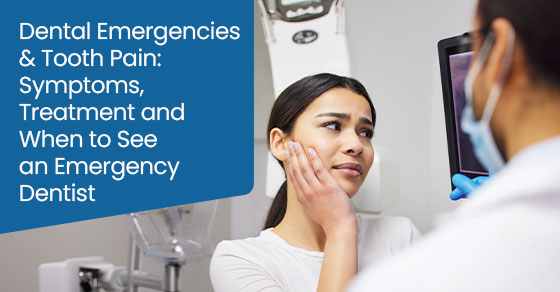
You notice a swollen cheek or jaw when you wake up, along with toothache or discomfort around your gums. A swollen face and toothache can point to a dental problem, but the symptoms alone cannot tell you what is causing it or which treatment you need.
The first decision is where to seek care. Suspected dental infection needs urgent assessment. Certain accompanying symptoms require immediate hospital emergency care, so check for those warning signs before arranging a dental appointment or trying to manage the discomfort.
When to Seek Emergency Care or an Urgent Dentist
The symptoms accompanying the swelling help determine your next step. Even without the emergency signs below, facial swelling with dental symptoms should not be treated as something that can safely wait for a routine check-up.
Warning Signs That Need Hospital Emergency Care
Problems with breathing, swallowing or speaking, eye symptoms, or significant swelling inside the mouth require immediate medical attention. When facial swelling occurs alongside dental symptoms, seek hospital emergency care if you have:
- Difficulty breathing, speaking or swallowing.
- A swollen or painful eye.
- New problems with your vision.
- Substantial swelling inside your mouth.
- Marked difficulty opening your mouth, rather than slight discomfort when moving your jaw.
These signs require action even if you have not been diagnosed with an infection. You do not need to identify the affected tooth or determine whether the swelling began in your gums before seeking help.
Go to a hospital emergency department immediately. Call 911 if you have breathing difficulty or need emergency transport. Do not wait for the dental clinic to open, an online appointment response, or a pain reliever to take effect. Emergency medical assessment takes priority over arranging a dental visit.
Facial Swelling That Needs Urgent Dental Assessment
Facial or jaw swelling with tooth or gum pain warrants prompt dental contact, even without the hospital warning signs. A bad taste, drainage of pus or fever adds to the concern. These symptoms can occur with a dental abscess, but they are reasons to seek assessment, not a checklist that confirms the diagnosis. You do not need every symptom to call.
Tell the dental team about the swelling when requesting care. If your usual dentist cannot arrange timely assessment, seek another urgent dental service. Worsening symptoms require renewed advice or immediate medical assessment, depending on what has changed. An earlier appointment request does not mean you should continue waiting as the swelling increases.
How a Dental Infection Can Cause Facial Swelling
A dental abscess is a collection of pus associated with an infection. An infection in or around a tooth may develop after untreated decay, damage to a tooth or gum disease. Bacteria can enter the tooth’s internal tissues, while infection can also affect tissues around the tooth. Swelling may become visible in the cheek or jaw. However, facial swelling alone does not establish that a tooth infection is responsible, and noticing it on waking does not tell you when the problem began.
The source matters because different problems require different care. Infection involving the soft tissue inside a tooth may call for treatment of that tooth. A gum-related infection may require care directed at the space between the tooth and gum or other supporting tissues. Periodontal care concerns the gums and structures that support teeth; it is not the treatment route for every swollen face. You do not need to choose between those possibilities yourself. An examination helps establish which tissues are involved and what should happen next.
What to Do While Arranging Dental Care
Temporary measures can make you more comfortable while you arrange assessment. They do not treat the underlying cause or justify postponing care.
Use Temporary Measures for Comfort
Choose soft foods that are easier to eat, such as scrambled eggs, mashed potatoes or yogurt. Clean your teeth gently with a soft toothbrush. Avoid very hot or cold foods and drinks if they aggravate the discomfort, rather than repeatedly testing the painful area.
An appropriate over-the-counter pain reliever may help while care is arranged. Follow the label directions and ask a pharmacist if you are unsure whether it is suitable for you. Do not take more than directed. Feeling better after a dose does not confirm that the problem has resolved.
Give the Dental Team a Clear Symptom History
Describe what you have noticed rather than trying to name the condition. Useful details help the team advise on the next step, although they cannot replace an examination.
Report:
- When you first noticed the swelling.
- Where it is and whether it has changed.
- Any tooth or gum pain.
- Fever, drainage or a bad taste.
- Difficulty opening your mouth.
- Any breathing, swallowing, speaking or eye symptoms.
If emergency warning signs are present, seek immediate medical care instead of waiting to complete a dental appointment request.
How Assessment Guides Treatment
A dentist will ask about your symptoms and examine your teeth and gums for signs of infection. Depending on the findings, they may assess how a tooth responds to touch or temperature and take dental X-rays. Not everyone needs the same tests. The purpose is to identify the likely source and extent of the problem, then determine an appropriate treatment plan. Describing the swelling clearly helps, but its appearance alone cannot settle the diagnosis.
Treatment possibilities include drainage, root canal treatment, extraction or gum-focused care. The choice depends on the source and examination findings. Treating the source and making antibiotic decisions are related but separate considerations. Guidance for certain localized tooth-related conditions prioritizes dental treatment in adults who are not severely immunocompromised. Those recommendations should not be applied as a blanket rule to facial swelling or gum infections. Whether antibiotics are needed depends on the clinical circumstances, including signs of wider illness.
Take the Next Step Based on Your Symptoms
A swollen face and toothache call for appropriate assessment rather than a routine wait-and-see response. If the examination identifies gum disease or problems with tooth-supporting tissues, Bristol’s periodontal care in Mississauga may be relevant to assessment and treatment planning. The findings determine that connection; facial swelling does not automatically mean you need periodontal treatment.
Without emergency warning signs, contact Bristol Dental Clinic by telephone to describe your symptoms and ask about urgent assessment. New patients can call 866-673-2109; existing patients can call 905-712-3409.
Frequently Asked Questions
Can I Delay Care if the Toothache Starts to Ease?
Reduced pain does not confirm that a tooth infection has cleared. Symptoms can change while infection remains. If your face is still swollen, seek urgent dental assessment rather than using pain improvement as a reason to wait. Breathing, swallowing, speaking or eye symptoms, substantial mouth swelling, or marked difficulty opening your mouth require emergency care.
Can I Request Urgent Help Through an Online Appointment Form?
Our online form accepts appointment requests, and a representative will respond within 24 hours or the next available business day. Submitting it does not provide immediate clinical advice or confirm an appointment. Telephone contact is more appropriate for urgent dental symptoms. Emergency warning signs require immediate medical care without waiting for a reply.
Do I Need to Book a Periodontist Before the Swelling Is Assessed?
Seek appropriate urgent assessment first rather than delaying while choosing a specialty. Gum-related findings may make periodontal care relevant, while a problem inside a tooth may require another treatment route. The examination guides that decision. You do not need a confirmed diagnosis or a particular specialist booking before asking for help with new facial swelling.